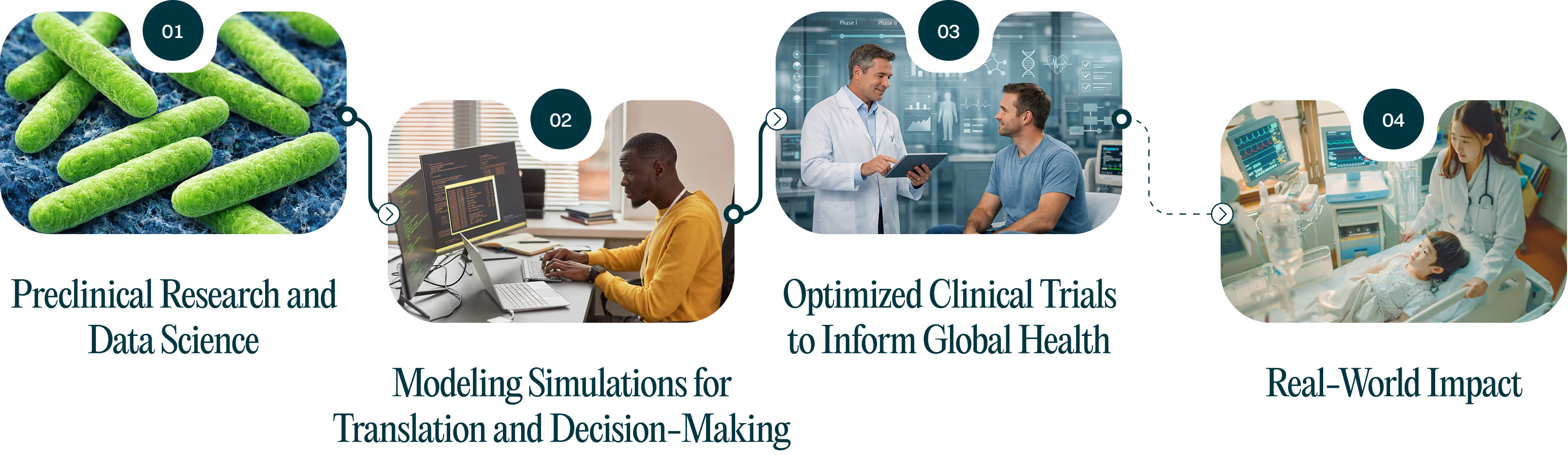
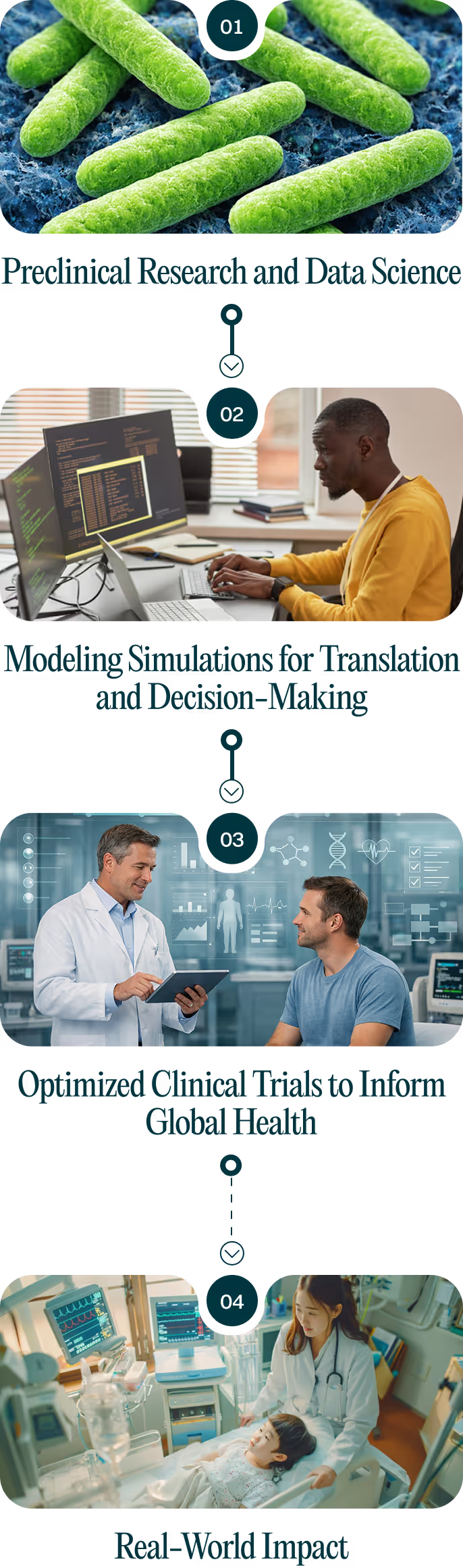
Our Translational Research Framework
From in vitro screening to clinical trials, our platform unites data, modeling, and collaboration to accelerate the development of effective TB drug regimens.
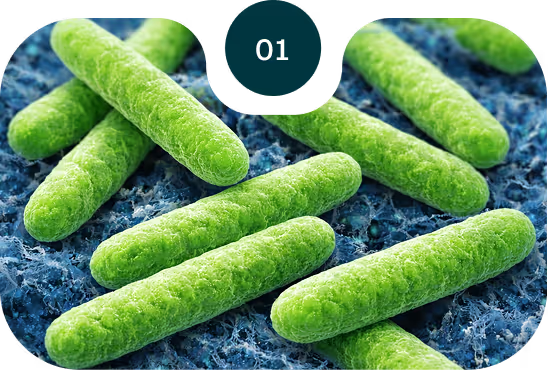





.avif)
.avif)
The TB Regimen Challenge
Developing TB treatments is especially complex. With tens of thousands of possible drug combinations, traditional trial-and-error methods are too slow and costly.
Discover the Innovations at Our Labs
Preclinical Lab Group (PLG)
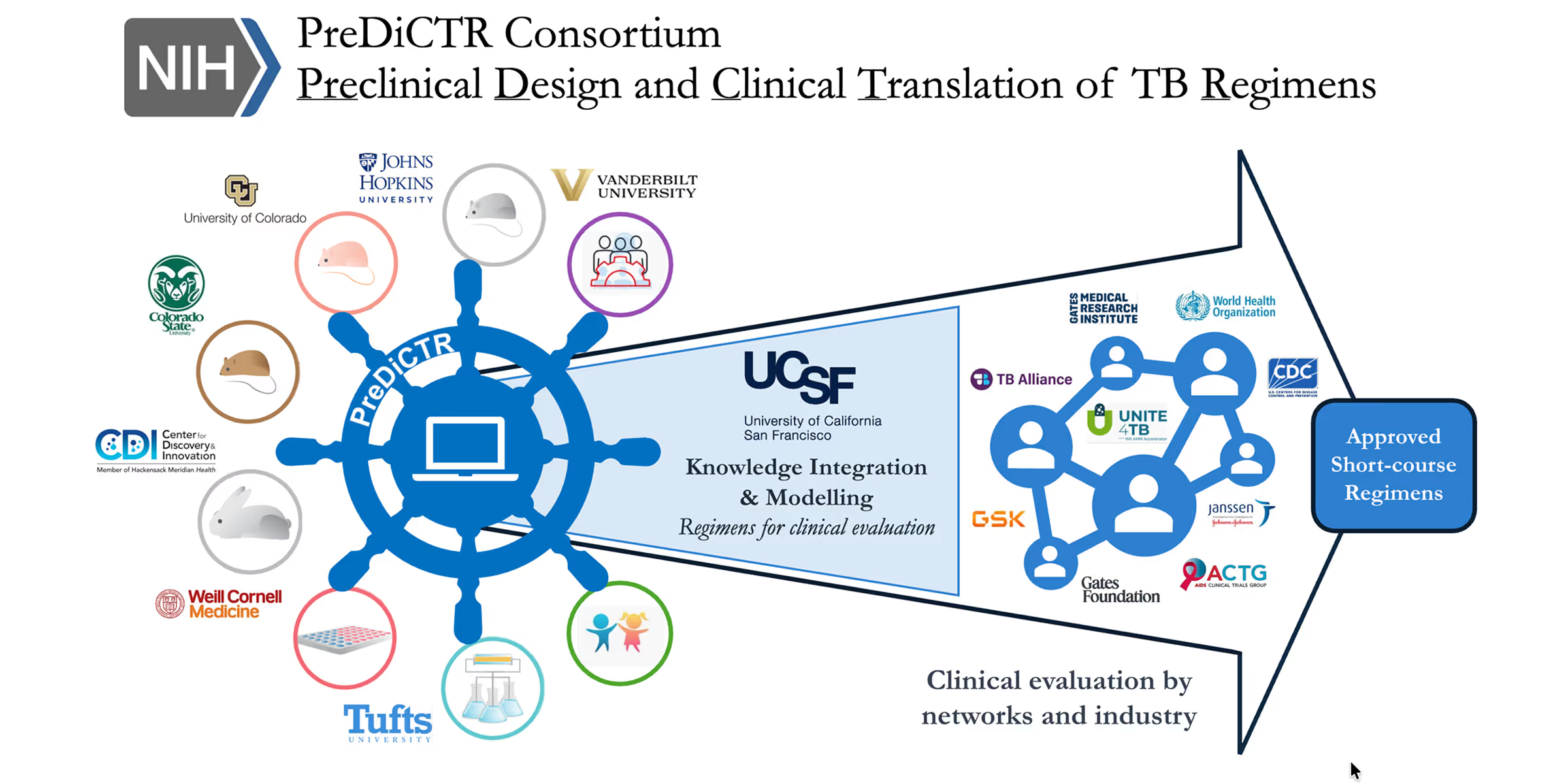
Led by investigators from seven institutions including Dr. Sabine Ehrt (Weill Cornell Medicine), Dr. Kyu Rhee (Weill Cornell Medicine), Dr. Jeremy Rock (Rutgers University), Dr. Nick Walter (University of Colorado Denver–Anschutz Medical Campus), Dr. Bree Aldridge (Tufts University), Dr. Gregory Robertson (Colorado State University), and Dr. Jansy Sarathy (Hackensack Meridian Health–Center for Discovery and Innovation), the Preclinical Lab Groups function under the oversight and overall leadership of Dr. Eric Nuermberger (Johns Hopkins University) and Dr. Dirk Schnappinger (Weill Cornell Medicine).
.avif)
Validate, refine & utilize in vitro methodologies to predict in vivo efficacy of regimens
.avif)
Physiologic Biomarker, synthesizing in vitro, murine & human evidence
.avif)
Incorporating lesion-centric PK and PD measurements into translational models

Optimizing translational value of preclinical mouse models
.avif)
Systematic in vitro studies of drug combinations
.avif)
Murine models to inform TB regimen development
.avif)

Data Science and Modeling Group (DSMG)
The success of the Data Science and Modeling Group (DSMG) depends on close contact between computational and experimental experts. Developed tools originate from strong, reciprocal collaborations with the Preclinical Laboratories of the PReDiCTR-TB Consortium. The DSMG, along with the PhyBM PL, CSU-mouse PL, and JHU-mouse PL, have developed and use the Data Integrity Management System (DIMS).
.avif)
.svg)
Knowledge Integration through Data Science & Modeling
Scientific Leadership (SLG)
The Scientific Leadership Group (SLG) is comprised of PLG and DSMG leadership, representatives from trials networks; drug developers; preclinical groups carrying out multidrug combination studies or developing new tools for TB regimen development; and Global Collaborations and Foundation’s TB Drug Initiative Group leadership. SLG membership will be dynamic, with new members invited to join as new trials networks form and new drug sponsors enter the TB arena. To ensure that community voices are heard, a representative from Treatment Action Group (TAG) will serve on the SLG and as a liaison to the Global TB Community Advisory Board (GCAB).
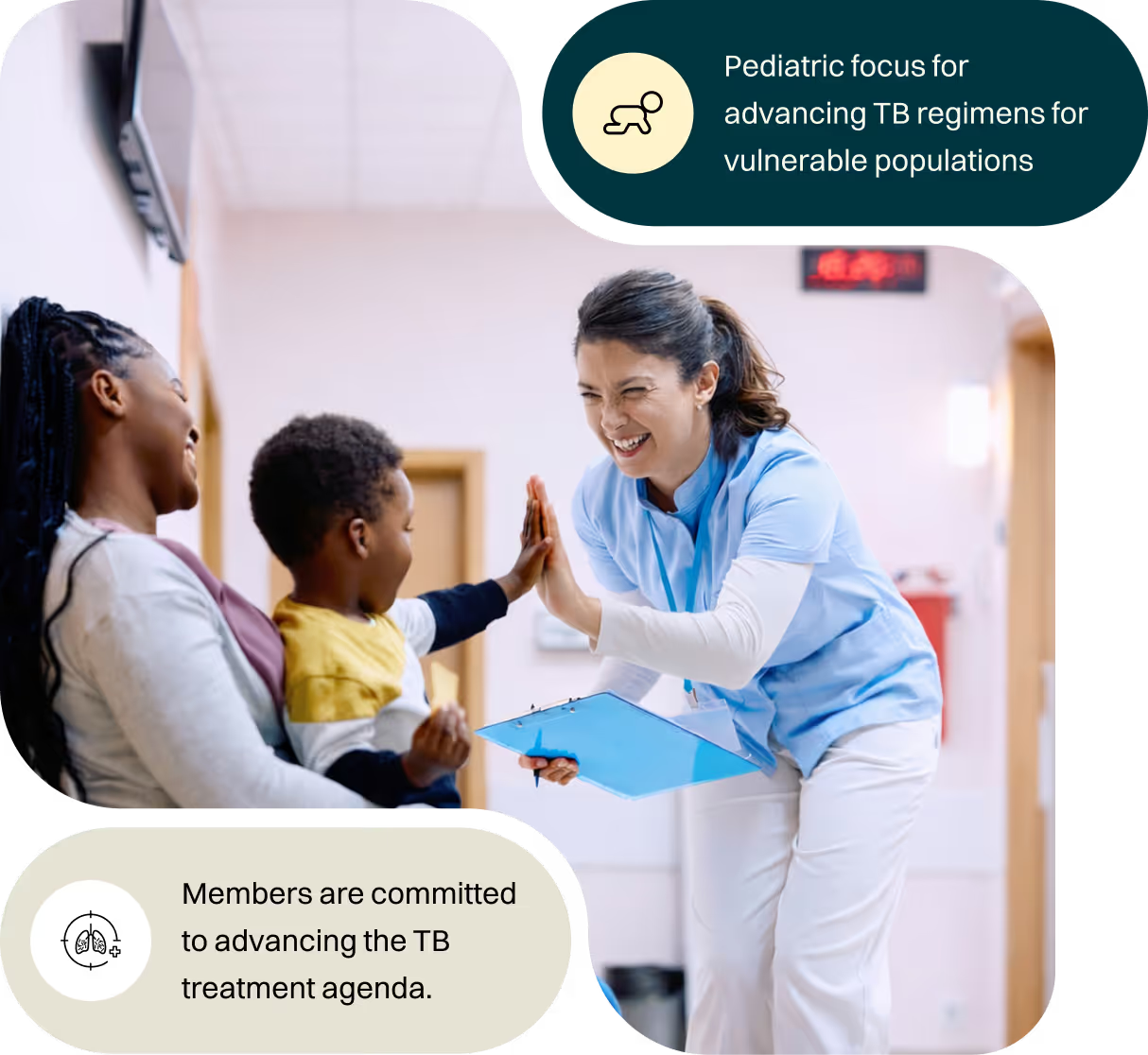
Within the SLG, the Pediatric Focus Committee (PFC) is dedicated to ensuring that advances in TB drug development benefit children, without delay. It is critically important that children with TB benefit from advances in TB therapeutics, as early as possible. The PFC is comprised of experts in developmental immunology, biomarkers in pediatric TB, developmental pharmacology and PK modeling for children, first-time-in-pediatric and PK-safety studies in children, and pediatric formulations
Pediatric Focus Committee (PFC)
Children are typically not considered until adult drug development is complete, leading to pediatric dosing recommendations that rely on limited data and often overlook principles of developmental pharmacology. Our work seeks to strengthen both early- and late-phase pediatric TB drug development by: (a) predicting pediatric dosing for new molecules early in the development pathway; (b) revising recommendations for existing drugs that yield unacceptably poor treatment outcomes in certain subgroups of children; (c) identifying high-burden populations in need of treatment optimization, including children who are HIV-positive, malnourished, or very young; (d) using real-world data to predict pharmacokinetics in representative pediatric populations; and (e) applying model-based approaches and prior trial data to design smarter, more efficient pediatric trials. Ensuring that children with TB benefit from advances in TB therapeutics as early as possible is critically important. The Pediatric Focus Committee (PFC) brings together experts in developmental immunology, pediatric TB biomarkers, developmental pharmacology and PK modeling, first-time-in-pediatric and PK-safety studies, and pediatric formulations to achieve these goals.

Pediatric Focus Committee (PFC)
Who we are: We are experts in pediatric tuberculosis, and lead research in immunology, biomarkers, diagnostics, pharmacology, and clinical trials to improve the care of children with TB.
Our goals: Children are typically not considered until adult drug development is complete, leading to pediatric dosing recommendations that rely on limited data and often overlooked principles of developmental pharmacology. We thus seek to accelerate the development of new TB therapeutics and regimens that consider child-specific needs.
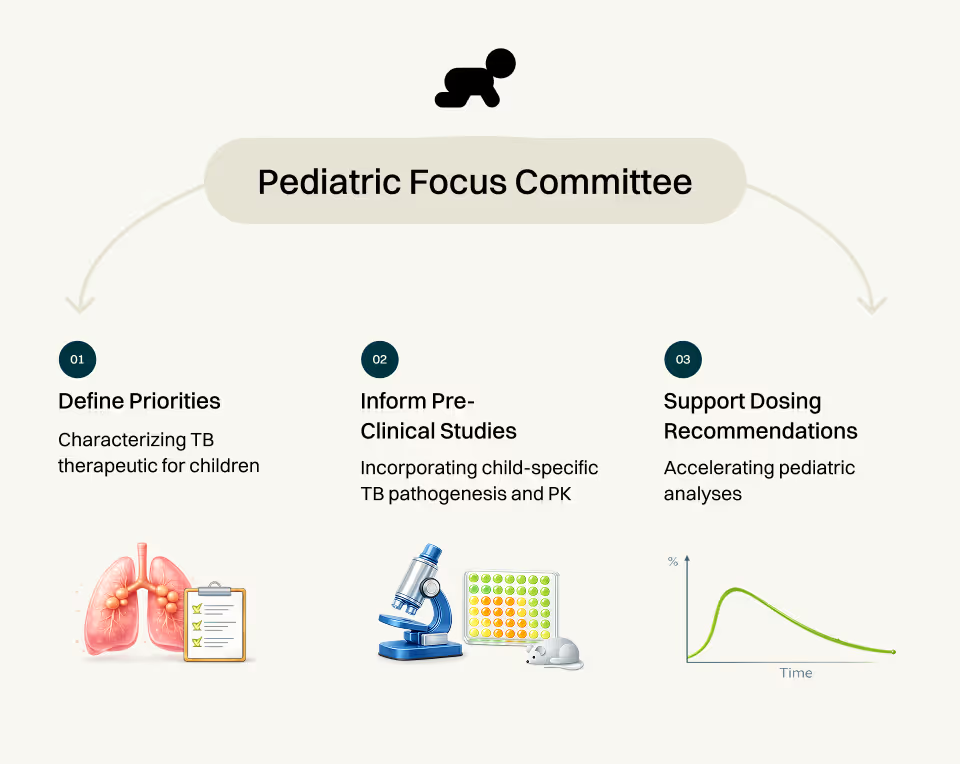
Our approach: We serve as a cross-functional partner with the pre-clinical lab groups and data science and modeling group. We do this by 1) Defining TB therapeutic requirements and priorities for children; 2) Providing recommendations on how to incorporate the unique pathogenesis and pharmacokinetics of childhood TB into pre-clinical studies; and 3) Supporting pediatric analyses to guide dosing recommendations for children.
What Powers Our Approach
 High impact Preclinical Research
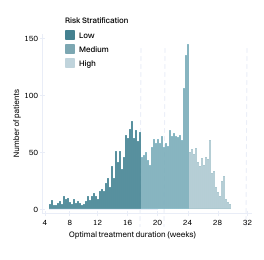
 Data Science and Computational Modeling

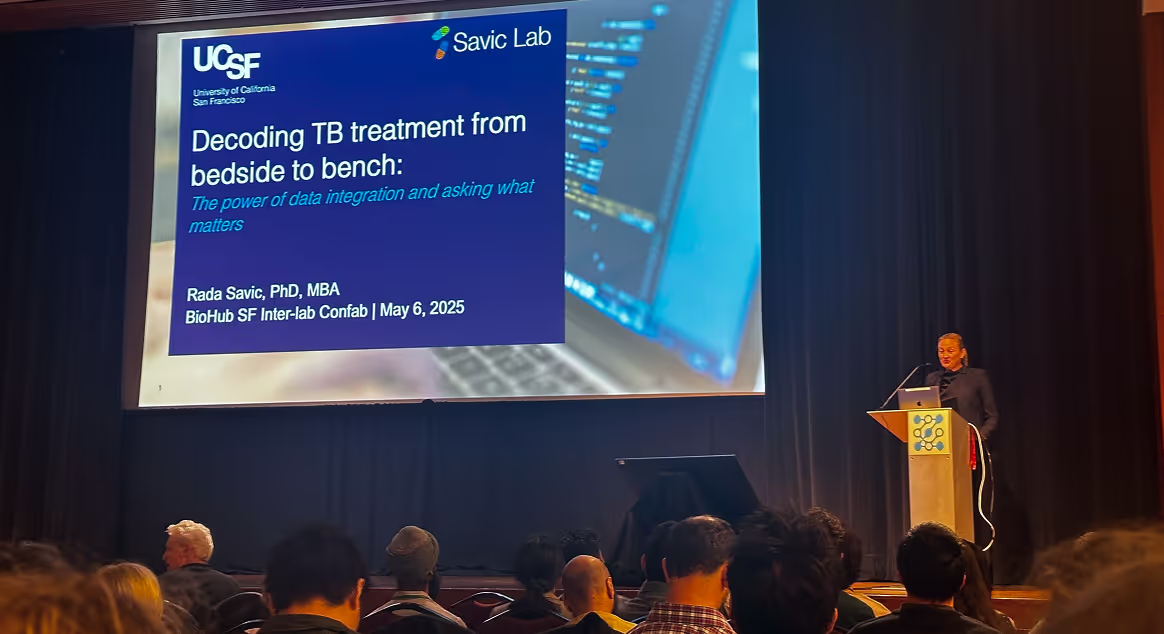
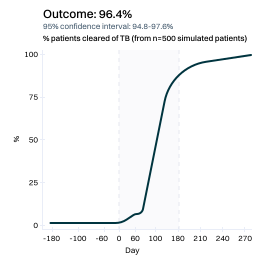
 Predictive Tools
Scientific Research Core
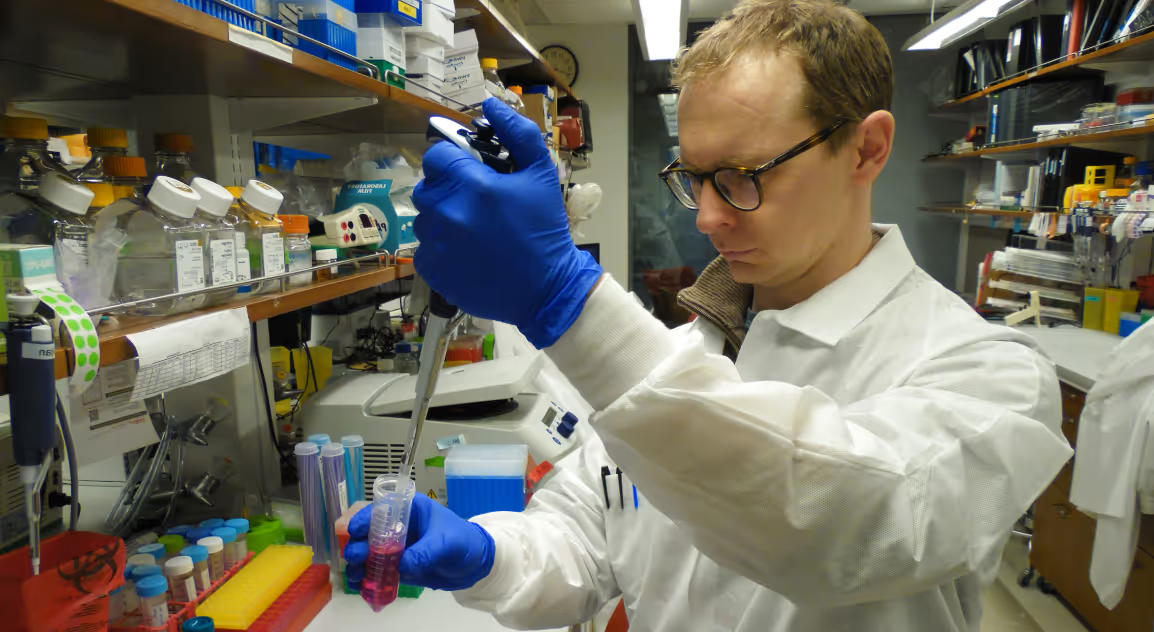
The PReDiCTR-TB Consortium integrates advanced technologies developed by the core group’s preclinical labs, including: highly predictive TB mouse models and an ultra-short-course murine model to assess treatment-shortening in one month (JHU/CSU Mouse PL); LCM-based drug distribution analysis and ex vivo caseum potency models (HMH CDI DMPK PL); physiologic, culture-independent potency biomarkers such as the RS ratio (CU PhyBM PL); large-scale empirical assays of combination drug responses in Mtb (TU DiaMOND PL); metabolomic and chemogenomic platforms to study drug action and resistance (WCM/RU Omics PL); and advanced data science and modeling tools (UCSF DSMG).

.avif)
.avif)
.avif)
.avif)
.avif)
.avif)
Continuous Learning from Lab & Clinic
%20(1).avif)
"By studying clinically relevant features of the fundamental physiology of Mycobacterium tuberculosis, we aim to discover novel potential diagnostic and therapeutic targets with the potential to yield shorter, safer cures for TB."
.avif)
“Collaborative and interdisciplinary research is among the most productive, engaging, and effective way to tackle complex problems. The PReDiCTR-TB consortium exemplifies this approach.”
.avif)
“Our goal is to help realize the full therapeutic potential of TB antibiotics through collaborative regimen design.”
%20(1).avif)
“Molecular assessment of pathogen cellular processes and adaptability is transforming our understanding of effective drug combinations.”
%20(1).avif)
“Tuberculosis drug evaluation has long focused exclusively on measurement of bacterial burden. By introducing molecular measures of pathogen health, we bring new information on drug activity that will drive selection of the best combination regimens to cure TB more rapidly.”
%20(1).avif)
“There is an urgent medical need for new, more effective human TB treatments. Our central hypothesis is that to cure disease, drugs must first reach site of infection and once they get there, they must be active against the bacterial phenotypes present.”
.avif)
“Over 12 years, we’ve advanced methods to measure lesion-centric PK/PD parameters. Prioritizing drug combinations that target all M. tuberculosis populations can improve the efficiency and lower the cost of TB regimen development.”
%20(1).avif)
"We work with partners across the spectrum from drug discovery to clinical trials networks to inform and advance the development of transformative new regimens to treat and prevent tuberculosis."
%20(1).avif)
“The PReDiCTR-TB Consortium unites scientists across the TB therapeutic research spectrum — from mechanistic studies and novel animal models to advanced data integration — to accelerate TB drug and regimen development.”
%20(1).avif)
“Our hope is that the application of new functional genomic tools will assist in the development of more effective TB therapies.”
.avif)
“Development of new medicines depends on the integration of many different scientific disciplines. The PReDiCTR-TB consortium does this as well as any other consortium I have participated in.”
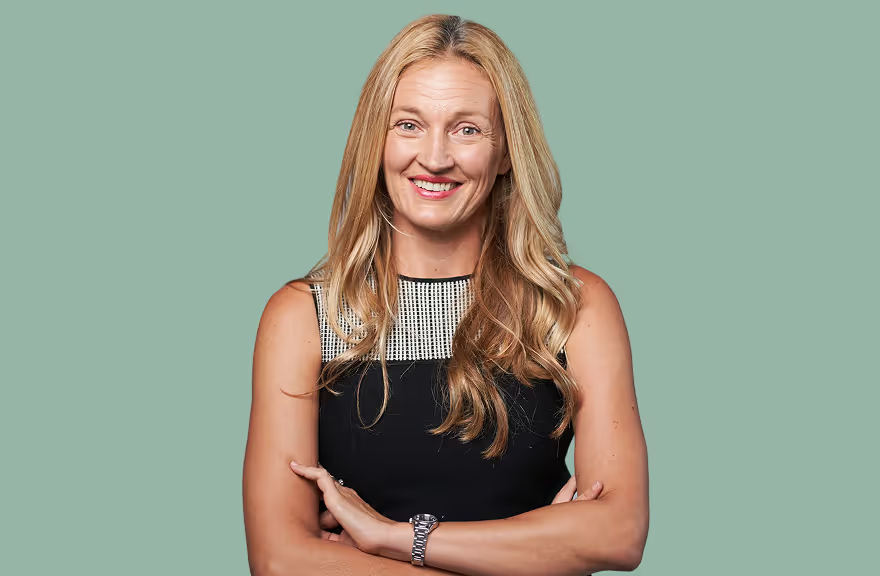
“We are committed to being of service to the TB research community, to patients living with the disease, and to affected communities globally”
See How Our Consortium Aims to Support Clinical Trials